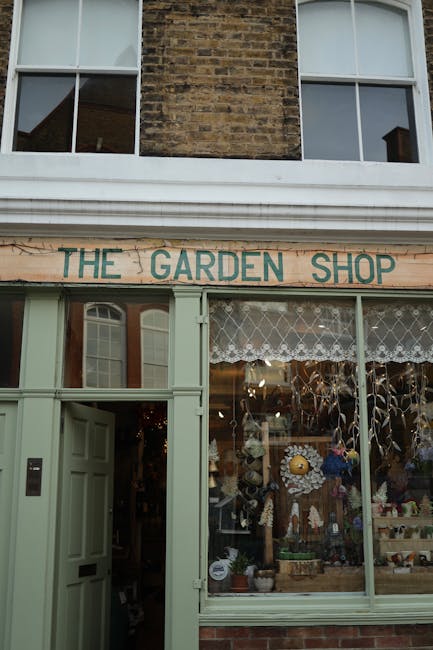
Best gardeners for Beckenham High Street front gardens
Front gardens on Beckenham High Street do a lot of quiet heavy lifting. They are the first thing people notice, the bit that softens a property's edge, and often the difference between a frontage that feels cared for and one that looks a little tired. If you are looking for the best gardeners for Beckenham High Street front gardens, you are probably after more than a quick tidy-up. You want someone who understands kerb appeal, seasonal planting, awkward paving edges, busy footfall, and the practical realities of keeping a visible garden neat all year round.
This guide breaks down what good front-garden gardening actually looks like, how to choose the right help, and what to expect from a proper service. We will cover design, maintenance, timing, pricing considerations, compliance, and a realistic step-by-step approach. No fluff. Just the sort of detail that helps you make a sensible decision.
If you want a broader overview of what a reliable local gardening team can offer, it is worth starting with the services overview and then checking the company's background and approach so you know who you are trusting with a highly visible part of your home.
Table of Contents
- Why Best gardeners for Beckenham High Street front gardens Matters
- How Best gardeners for Beckenham High Street front gardens Works
- Key Benefits and Practical Advantages
- Who This Is For and When It Makes Sense
- Step-by-Step Guidance
- Expert Tips for Better Results
- Common Mistakes to Avoid
- Tools, Resources and Recommendations
- Law, Compliance, Standards, or Best Practice
- Options, Methods, or Comparison Table
- Case Study or Real-World Example
- Practical Checklist
- Conclusion
- Frequently Asked Questions
Why Best gardeners for Beckenham High Street front gardens Matters
A front garden is not just decoration. On a busy street, it creates the first impression before anyone reaches the door. That matters if you live above a shop, manage a mixed-use property, rent out a home, or simply want your house to look well kept. A good frontage can make a property feel calmer and more inviting, while a messy one can drag down the whole look of the building.
Beckenham High Street has its own rhythm. There is movement, visibility, weather exposure, and a steady stream of people passing by. That changes the kind of gardening needed. A soft cottage-style layout can work beautifully, but only if it is kept under control. Low-maintenance structure often matters more than dramatic planting. In practice, the best gardeners for this job understand balance: they know when to prune hard, when to leave a little softness, and when to keep things crisp and simple.
There is also a trust element. A visible front garden reflects on the property owner, but it also reflects on the gardener. If the hedge is overcut, if the beds look patchy, or if the pathway is left slippery with debris after a visit, the whole result feels wrong. Truth be told, people notice the small things.
Expert summary: the best front-garden gardening on a high street is usually not about fancy ideas. It is about neat structure, seasonal control, and consistent maintenance that looks good from the pavement as well as from the front window.
How Best gardeners for Beckenham High Street front gardens Works
Good front-garden work normally starts with a short assessment. A gardener should look at light levels, the condition of the soil, drainage, access, existing planting, and how much time the space will realistically get between visits. That first look tells you whether the garden needs routine maintenance, a tidy-up, a partial redesign, or all three.
For a frontage on a street like Beckenham High Street, the process often looks like this:
- Review the space - measure the visible areas, identify overgrowth, note hazards, and understand what can be improved quickly.
- Agree the style - neat and formal, lightly planted, pollinator-friendly, evergreen, or very low maintenance.
- Plan the work - decide what to prune, clear, mulch, replace, edge, or reshape.
- Carry out the visit - cutting, weeding, sweeping, planting, lifting, and waste removal.
- Set the follow-up schedule - fortnightly, monthly, seasonal, or one-off, depending on growth and your goals.
One thing people sometimes forget: front gardens are judged quickly. A back garden can be a bit more forgiving, but a front garden has to look good in a glance. That changes the entire brief. It is why the best gardeners tend to talk in practical terms, not just about plant lists and pretty ideas.
If the work involves waste disposal or repeated maintenance, it is sensible to ask about recycling and sustainability so you know how green waste is handled and whether materials are reused where appropriate. And if you want a clearer idea of expected spend, pricing and quotes should give you a good starting point for comparison.
Key Benefits and Practical Advantages
There are plenty of reasons to invest in a well-kept front garden, and some are more practical than glamorous. A neat frontage helps the whole property feel maintained. It can also reduce weekend stress because, let's face it, overgrown front gardens have a habit of becoming a nagging little job that never quite leaves your mind.
- Better kerb appeal - tidy edges, healthy planting, and clear pathways make a property feel cared for.
- Safer access - less moss, less clutter, fewer trips on uneven or concealed edges.
- Less ongoing work - a smart plan can reduce the amount of maintenance needed each month.
- More consistent appearance - regular gardening prevents the "fine one week, wild the next" problem.
- Improved planting health - the right pruning, feeding, and soil care can extend the life of shrubs and borders.
- Better use of small spaces - compact front gardens need structure, not crowding.
There is also a quieter benefit: a good front garden gives the home a sense of breathing room. You notice it on wet winter mornings and on bright spring days alike. The entrance feels calmer. The property feels looked after. Small thing, perhaps, but it matters.
Who This Is For and When It Makes Sense
This kind of gardening service is useful for a lot of different people. Some know exactly what they want; others just know the front of the property has started to get away from them. Both are fine.
You may benefit from professional help if you are:
- a homeowner who wants a front garden that looks neat without constant effort
- a landlord or property manager keeping an entrance presentable for tenants and visitors
- a business owner with a visible frontage that needs to stay tidy
- an older resident who prefers help with heavier, more regular tasks
- someone preparing to sell and wanting the property to make a strong first impression
- new to gardening and not sure where to start, which is more common than people admit
It makes sense especially when the garden has become either too sparse or too busy. A lot of front gardens swing between those two extremes. One year it is all bare soil and hope; the next it is a tangle. A good gardener will bring it back to a manageable shape.
For first-time customers, checking the company's contact details and insurance and safety information is a sensible early step. Not glamorous, no, but very worthwhile.
Step-by-Step Guidance
If you want the best results from a gardener for a Beckenham High Street front garden, a clear process helps. Here is a practical way to approach it.
- Decide what success looks like. Do you want low-maintenance structure, seasonal colour, a modern clean finish, or just a tidy, safe entrance?
- List the pain points. Maybe the hedge blocks the light, weeds return every month, or the path edges are messy. Be specific.
- Ask for a site visit or detailed conversation. A proper gardener should be able to judge access, size, and likely upkeep needs.
- Discuss maintenance frequency. A front garden near a busy street often needs more regular attention than people first expect.
- Agree on the scope. Make sure pruning, weeding, sweeping, deadheading, planting, and waste removal are all clearly understood.
- Review the plan for the seasons. Spring and autumn usually need more intervention than people think.
- Check after the first visit. Look at the detail: edging, finishes, paths, and whether the layout now feels easier to maintain.
A small but useful tip: ask what should be done next, not just what was done today. The best gardeners will always have a sensible answer. If they do not, that is a sign to keep looking.
Expert Tips for Better Results
In our experience, a strong front garden is built on restraint. Too many plants can make a small space look busy and hard to care for. Too little structure can make it look unfinished. The sweet spot is usually somewhere in the middle.
1. Prioritise structure before decoration
Think hedging, edging, and evergreen shape first. Flowers can then sit on top of that framework rather than trying to carry the whole look. It is a far calmer result.
2. Choose plants that suit the light
Front gardens on streets can have strange light patterns because of buildings, fences, and overshadowing. A good gardener will work with that rather than forcing thirsty or shade-loving plants into the wrong place.
3. Keep pathways and entrances clear
Practical detail matters. A lovely border is no good if it narrows the entrance or sheds soil onto the path. You want tidy, safe movement from pavement to door.
4. Use seasonal tidy-ups as a reset
A front garden often benefits from a more thorough clear-out two or three times a year, then lighter maintenance in between. That rhythm tends to work well in a London setting where growth can be quick after rain and mild spells.
5. Don't ignore the boundary
Low walls, railings, and edging all shape how a front garden is read from the street. If they look scruffy, the planting has to work harder than it should. Sometimes a small repair or proper clean-up makes a surprisingly big difference.
And a slightly unscientific but true observation: a garden that looks good at 8am in drizzle is usually a garden that has been planned well. Fancy is nice. Reliable is better.
Common Mistakes to Avoid
People often make the same few mistakes with front gardens, and they are easy to understand. You see a space every day, so changes creep up on you. One month it is "a bit untidy," and six weeks later the shrub has taken over the window.
- Overplanting a small space - this leads to crowding, poor airflow, and constant trimming.
- Choosing style over maintenance reality - a high-maintenance display may look great for a week and then become a headache.
- Ignoring drainage issues - wet soil, puddling, or compacted beds need attention before planting.
- Letting weeds establish - front gardens are visible, so weeds stand out quickly.
- Forgetting sightlines - plants should not block windows, lighting, or safe access.
- Skipping regular light maintenance - a little consistent care is almost always cheaper and easier than repeated big rescue jobs.
There is also the classic mistake of not briefing the gardener properly. If you want a crisp, formal finish, say so. If you love pollinator planting but want it restrained, say that too. Gardeners are not mind readers, despite the rumours.
Tools, Resources and Recommendations
The right tools make a front garden easier to manage and keep looking neat. Most homeowners do not need a shed full of gear, but it helps to understand the basics so you know what work is being done and why.
| Tool or Resource | What It Helps With | Why It Matters for Front Gardens |
|---|---|---|
| Secateurs | Pruning stems and deadheading | Keeps shrubs tidy and prevents rough cuts |
| Hedge trimmer | Shaping hedges and borders | Creates clean lines visible from the street |
| Border spade or edging tool | Sharpening bed edges | Makes a small front garden look instantly cared for |
| Wheelbarrow or garden sacks | Removing waste | Prevents clutter and speeds up tidy work |
| Mulch | Suppressing weeds and improving appearance | Useful for low-maintenance presentation |
| Maintenance plan | Timing of visits and tasks | Stops the garden drifting out of shape |
For many people, the most useful resource is not a tool at all. It is a clear scope of work. If you know what will be done monthly, what happens seasonally, and what is outside the agreed plan, life gets easier. For service detail, look through the available services and, if needed, review the practical process around payment and security so there are no surprises later.
Law, Compliance, Standards, or Best Practice
Front-garden gardening is not usually complicated from a regulatory point of view, but there are still sensible standards to follow. If work affects shared access, pathways, visibility, waste handling, or site safety, it should be managed carefully. In a street-facing setting, professionalism is not optional. It is visible.
Good practice normally includes:
- safe use of tools and equipment
- careful handling of waste and cuttings
- tidy working areas so paths are not left slippery or obstructed
- respect for neighbouring boundaries and access points
- clear communication if work could affect timing, noise, or access
If you are choosing a provider, it is sensible to review their health and safety policy and terms and conditions. These pages do not need to be dramatic. In fact, the best ones usually are not. They simply help you understand responsibilities, service limits, and how the company operates.
Where sustainability matters to you, you can also look at how the business approaches reuse, composting, and waste reduction through its recycling and sustainability information. That is especially useful if you want your frontage to look good without creating unnecessary waste. A nice bonus, really.
Options, Methods, or Comparison Table
Not every front garden needs the same kind of gardener or the same kind of plan. Some spaces need regular maintenance. Others need a one-off rescue and then a lighter touch. Here is a simple comparison to help you decide what fits.
| Approach | Best For | Pros | Watch Outs |
|---|---|---|---|
| One-off tidy-up | Overgrown or neglected front gardens | Fast visual improvement, useful reset | Can slide back without follow-up care |
| Regular maintenance | Busy or visible entrances | Consistent finish, less stress, easier to manage | Needs commitment and scheduling |
| Light redesign | Spaces that feel awkward or dated | Improves structure and future upkeep | Takes more thought and upfront planning |
| Low-maintenance planting plan | People who want a neat look with less work | Practical and sustainable over time | Needs the right plant choices from the start |
If you are not sure which path to take, regular maintenance is often the safest starting point. You can always reshape later. It is much harder to reverse years of overplanting in one afternoon.
Case Study or Real-World Example
Here is a realistic example. A narrow front garden near a busy stretch of Beckenham High Street had become cluttered with mixed shrubs, low weeds, and a front path that felt cramped. Nothing was severely wrong, but the space gave the impression of being ignored. The owner did not want a complete redesign, just something calmer and easier to live with.
The work started with a clear-out of dead growth and awkward self-seeded plants. After that, the border edges were reset, the remaining shrubs were selectively pruned, and a more restrained planting plan was suggested for the future. The final look was not flashy. It was cleaner, brighter, and much easier to keep that way. You could see the doorway properly again, which sounds minor until you stand back on the pavement and notice how much it changes the feel of the whole front of the property.
That is usually what the best gardeners do well. They do not just make a garden look "done." They make it easier to live with, week after week. That is the real trick.
Practical Checklist
Use this quick checklist before you book anyone for a front-garden job in Beckenham.
- Know your goal - tidy-up, regular maintenance, or a light redesign?
- Check visibility - does the garden need to look good from the street at all times?
- List problem areas - weeds, overgrowth, poor drainage, awkward edging, or blocked access.
- Ask what is included - pruning, weeding, sweeping, waste removal, planting, and follow-up.
- Review trust pages - insurance, safety, terms, and payment information.
- Discuss maintenance frequency - one-off jobs can help, but regular care often wins.
- Think seasonally - front gardens need different attention in spring, summer, autumn, and winter.
- Request a clear quote - and make sure scope is written in plain English.
- Ask about sustainability - especially if you want greener waste handling.
- Confirm next steps - what happens after the first visit, and when should the next one be?
A little organisation now can save a lot of irritation later. Honestly, that is true of most home projects.
Conclusion
The best gardeners for Beckenham High Street front gardens are the ones who understand that a front garden is part design, part maintenance, and part first impression. The job is not just about making plants look nice. It is about keeping the whole frontage neat, safe, welcoming, and manageable through the seasons.
If you choose carefully, ask practical questions, and set a clear brief, you will get far better results than if you simply hope for the best. Start with the current condition, decide what you want the garden to do, and choose a gardener who respects the realities of a busy, visible street setting. That usually leads to calmer, cleaner, longer-lasting results.
Get a free quote today and see how much you can save.
When a front garden is looked after properly, the whole house feels lighter somehow. And that is no small thing.
Frequently Asked Questions
What makes a gardener a good fit for a Beckenham High Street front garden?
A good fit is someone who understands visible, high-footfall spaces and can keep the garden neat, safe, and attractive without creating extra work. Front gardens need structure, consistency, and good judgement more than dramatic ideas.
How often should a front garden near a busy street be maintained?
It depends on planting and exposure, but many front gardens benefit from regular light maintenance rather than occasional big clean-ups. For some properties, monthly visits work well; others need seasonal work plus quick touch-ups.
Is a one-off tidy-up enough for an overgrown front garden?
Sometimes, yes. A one-off tidy-up can make a huge difference. But if the garden has a tendency to grow fast or has awkward planting, follow-up maintenance is usually the smarter long-term choice.
What should be included in a front-garden gardening quote?
A clear quote should explain what will be done, whether waste will be removed, how long the work is expected to take, and whether future visits are included or separate. The scope should be plain and specific.
Do front gardens need different plants from back gardens?
Not always, but front gardens usually benefit from hardier, tidier, and lower-maintenance planting. The space is more visible, so plants that stay neat and suit the available light are often a better choice.
How do I keep a front garden looking good between visits?
Keep an eye on weeds, sweep paths if debris builds up, and trim back obvious overgrowth early. Small actions done regularly are easier than waiting for the garden to become a weekend-consuming job.
Can a small front garden still look impressive?
Absolutely. Small front gardens often look best when they are simple, well-edged, and not overcrowded. A small space with clean lines and healthy planting can look better than a larger, messy one.
What should I ask before booking a gardener?
Ask about experience with front gardens, what the quote includes, how waste is handled, whether they are insured, and how often they recommend maintenance. Those questions tell you a lot very quickly.
Are sustainability and waste handling important for front-garden work?
Yes, especially if you want a low-waste approach and cleaner site management. It is sensible to ask how green waste is handled and whether materials are reused or recycled where appropriate.
How do I know if I need maintenance or a redesign?
If the garden already has a good structure but looks untidy, maintenance may be enough. If the space feels awkward, overcrowded, or difficult to care for, a light redesign can save effort later.
Should I choose a gardener based on price alone?
Not really. Price matters, of course, but so do reliability, clarity, safety, and the quality of the finish. A cheaper visit that leaves you with extra work is not much of a bargain.
How do I get started with a local gardening service?
Begin by reviewing the available services, then use the contact page to ask for a quote or discussion. If you want to check the company's ethos first, the about page and practical trust pages are useful reading too.